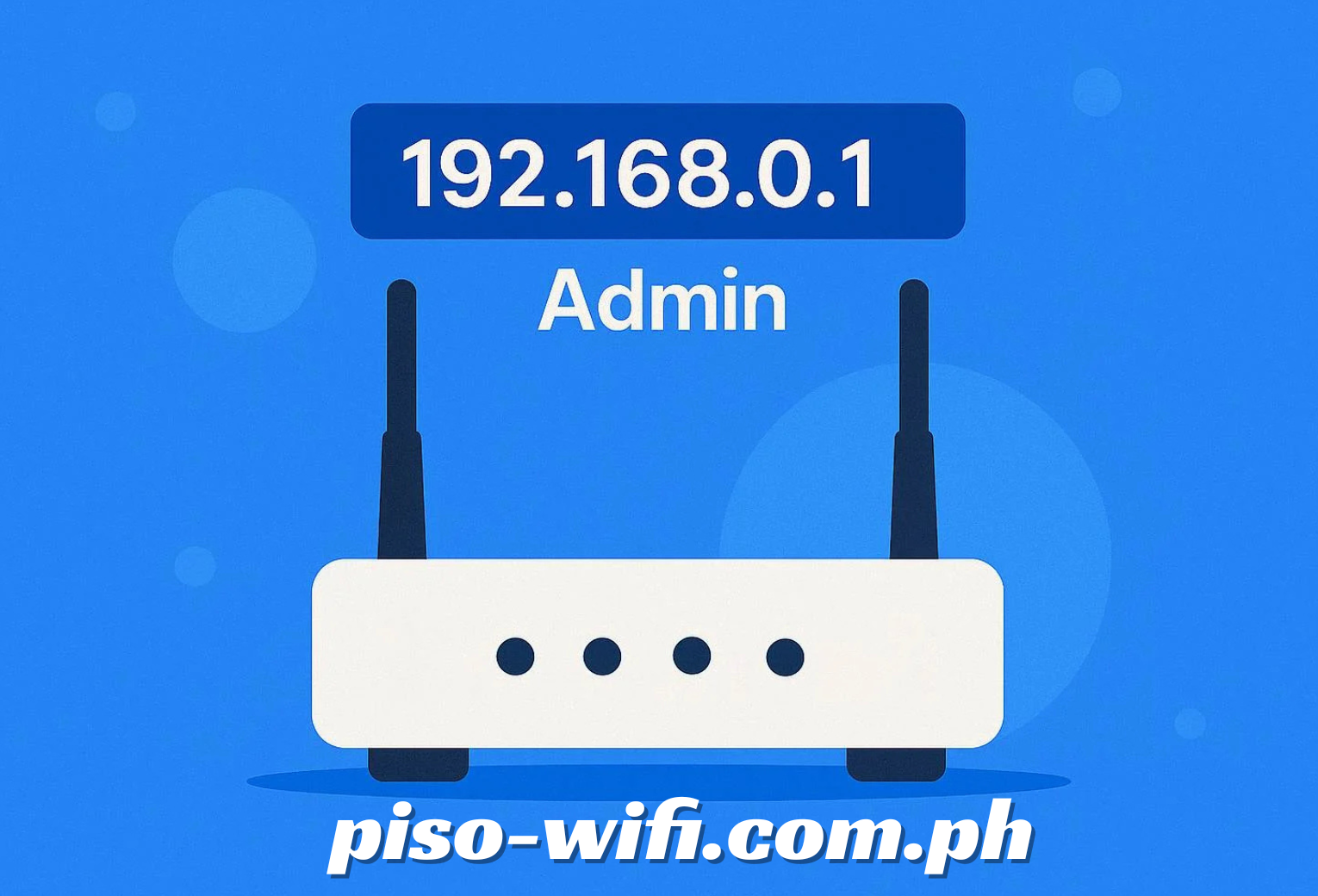
192.168.0.1 is one of the most commonly used private IP addresses for accessing a router's administrator panel. Many router manufacturers use 192.168.0.1 as the default gateway, allowing users to log in and manage important network settings through a web browser. By accessing the 192.168.0.1 Login Admin page, you can change your WiFi password, update the network name (SSID), configure security settings, monitor connected devices, and customize your router according to your needs.
Whether you are installing a new router or managing an existing home or office network, learning how to use the 192.168.0.1 admin panel is essential. The administrator dashboard gives you complete control over your wireless network and allows you to improve internet performance while keeping your connection secure. It is designed with a user-friendly interface, making it suitable for both beginners and experienced users.
What is 192.168.0.1?
192.168.0.1 is a private IPv4 address reserved for local area networks (LAN). It is commonly assigned as the default gateway by many router manufacturers, allowing administrators to access the router's management interface through a web browser. Unlike public IP addresses that connect devices to the internet, 192.168.0.1 is only accessible from devices connected to the same local network. When you type http://192.168.0.1 into your browser, the router displays its login page where administrators can enter their username and password to access the dashboard.
Once logged in, users can configure wireless settings, change passwords, monitor connected devices, enable security features, update firmware, and perform many other network management tasks. Because it is one of the most widely used default gateway addresses, 192.168.0.1 Login Admin is commonly searched by users who want to configure their router without requiring advanced networking knowledge.
How to Login to 192.168.0.1
Logging in to 192.168.0.1 is a simple process that gives you access to your router's administrator panel. From the admin dashboard, you can manage your WiFi network, change the wireless password, update the network name (SSID), configure security settings, monitor connected devices, and customize various router features. Before you begin, make sure your computer, smartphone, or tablet is connected to the router's network.
Connect to Your Router
Connect your device to the router using either a WiFi connection or an Ethernet cable. A stable connection is required to access the administrator panel.
Open a Web Browser
Launch any modern web browser, such as Google Chrome, Microsoft Edge, Mozilla Firefox, or Safari.
Enter the Login Address
In the browser's address bar, type:
http://192.168.0.1
Enter Your Login Credentials
The router login page will appear. Enter your administrator username and password. These credentials may vary depending on the router manufacturer or your network configuration. If you have previously changed the login details, use your updated credentials.
Access the Admin Dashboard
After entering the correct login information, click the Login button. You will be redirected to the 192.168.0.1 admin dashboard, where you can configure router settings, change the WiFi password, update the network name, manage connected devices, adjust security settings, and perform firmware updates.
Default Login Information
The table below shows the basic login information required to access the administrator panel.
| Setting |
Details |
| Default IP Address |
192.168.0.1 |
| Login URL |
http://192.168.0.1 |
| Access Type |
Administrator Login |
| Connection Required |
Local Router Network |
| Supported Devices |
Android, iPhone, Windows, Mac |
| Login Method |
Web Browser |
| Username |
Varies by Manufacturer |
| Password |
Varies by Manufacturer |
Benefits of Using the 192.168.0.1 Admin Panel
The administrator dashboard provides complete control over your wireless network. After logging in, you can customize your router according to your requirements.
- Change your WiFi password.
- Update the wireless network name (SSID).
- View connected devices.
- Configure network security.
- Set parental controls.
- Manage guest WiFi.
- Monitor internet activity.
- Update router firmware.
- Configure DHCP and DNS settings.
- Improve overall network performance.
Supported Router Brands
Many popular router manufacturers use 192.168.0.1 as the default login address for accessing the administrator dashboard.
- D-Link
- Netgear
- TP-Link (selected models)
- Tenda
- TOTOLINK
- Belkin
- Huawei (selected models)
- ZTE (selected models)
Default Login Credentials
The following table shows the most commonly used default login information.
| IP Address |
Username |
Password |
| 192.168.0.1 |
admin |
admin |
| 192.168.0.1 |
admin |
password |
| 192.168.0.1 |
user |
user |
| 192.168.0.1 |
admin |
(varies by manufacturer) |
Note: Default usernames and passwords vary by router brand and model. If these credentials do not work, check your router label or user manual.
What Can You Do After Login?
After accessing the 192.168.0.1 admin panel, you can manage nearly every aspect of your wireless network.
- Change the WiFi password.
- Update the WiFi name (SSID).
- View connected devices.
- Configure guest WiFi.
- Enable parental controls.
- Manage bandwidth.
- Configure DHCP settings.
- Set up port forwarding.
- Update router firmware.
- Improve network security.
Change Your WiFi Password
Changing your wireless password is one of the most important security measures.
- Log in to the administrator dashboard.
- Open Wireless Settings.
- Select Wireless Security.
- Enter your new WiFi password.
- Save the settings.
- Reconnect your devices using the updated password.
Change Your WiFi Name (SSID)
You can also change your wireless network name through the admin panel.
- Open Wireless Settings.
- Find the SSID field.
- Enter a new network name.
- Click Save.
- Reconnect all devices using the updated network name.
Manage Connected Devices
The 192.168.0.1 Login Admin dashboard displays all devices connected to your router.
- View connected users.
- Monitor device activity.
- Remove unknown devices.
- Block unauthorized users.
- Check IP addresses.
- Improve network security.
Configure Router Security
Protecting your router is essential for maintaining a safe network.
- Change the default administrator password.
- Enable WPA2 or WPA3 encryption.
- Disable WPS if not needed.
- Keep router firmware updated.
- Use a strong WiFi password.
- Review connected devices regularly.
Frequently Asked Questions
What is 192.168.0.1?
192.168.0.1 is a private IP address commonly used as the default gateway for many routers. It allows administrators to access the router's control panel and manage network settings.
How do I log in to 192.168.0.1?
Connect your device to the router, open a web browser, enter http://192.168.0.1, and sign in using your administrator username and password.
Why is 192.168.0.1 not opening?
The page may not open if your device is not connected to the router, the IP address is incorrect, or your router uses a different default gateway.
What is the default username and password for 192.168.0.1?
Default login credentials vary by router manufacturer. Common combinations include admin/admin or admin/password, but many routers use different credentials or require custom login details.
Can I change my WiFi password using 192.168.0.1?
Yes. After logging in to the administrator dashboard, open the wireless settings section and update your WiFi password to improve network security.
Is 192.168.0.1 the same as 192.168.1.1?
No. Both are private IP addresses used by routers, but different manufacturers and router models may use different default gateway addresses.
Can I access 192.168.0.1 from my mobile phone?
Yes. You can access the administrator panel from Android phones, iPhones, tablets, Windows PCs, or Mac computers using any modern web browser connected to the router's network.
How do I reset my router if I forget the admin password?
Press and hold the router's Reset button for approximately 10–15 seconds. This restores the router to its factory default settings, and you will need to configure your network again.
Is 192.168.0.1 a public IP address?
No. 192.168.0.1 is a private IP address that works only within a local network and cannot be accessed directly from the public internet.
What can I manage after logging in?
After logging in, you can change WiFi passwords, update the network name (SSID), manage connected devices, configure security settings, update firmware, enable guest WiFi, and customize advanced router settings.
The 192.168.0.1 Login Admin page provides an easy and secure way to access your router's administrator dashboard. From managing WiFi passwords and updating network settings to monitoring connected devices and improving security, the admin panel offers complete control over your home or office network. By following the login instructions and security recommendations in this guide, you can configure your router efficiently and maintain a reliable internet connection. If you experience any login problems, verify the correct IP address, ensure your device is connected to the router, and use the appropriate administrator credentials. Understanding how to use the 192.168.0.1 admin panel will help you keep your network secure, optimized, and running smoothly.